

Productize Your Passion: How to Turn What You Know into a Scalable Offer

Productize Your Passion: How to Turn What You Know into a Scalable Offer

Turning your passion into a product is possible. Many people dream of doing what they love while generating income. This idea is not only exciting but also achievable. By organizing and presenting your skills, you can create a marketable offer. In this article, discover how to transform your expertise into a scalable product or service.

Turn Passion into Product

Understand Your Passion

First, identify your passion. This is the foundation of your future business. Ask yourself: What am I good at? What do I enjoy doing? Your answers will guide you in creating valuable offers. Choose a field you feel excited about, and have confidence in your expertise.

Evaluate Your Skills and Knowledge

Analyze your skills and knowledge. Break them into smaller tasks or services. Look for areas where you can solve problems for others. By doing this, you identify what people may be willing to pay for. For example, if you are a great photographer, you might offer online courses teaching photography techniques.

Create a Unique Value Proposition

Define your unique value proposition. What makes your offer different from others? Identify the features and benefits of your product or service. Explain why customers should choose you over competitors. A clear value proposition attracts attention and builds interest.

Package Your Passion into a Product

Once you know your strengths, package your passion into a product. Options include digital courses, e-books, workshops, or software. Choose a format that aligns with your strengths. Remember, the goal is to provide exceptional value.

Scalable Offers

Develop a Business Model

Next, develop a business model. Decide how you will produce, market, and deliver your product. Consider how you can replicate the process to reach more customers. A scalable model allows for growth while maintaining quality.

Choose Effective Marketing Strategies

Marketing plays a crucial role in your success. Choose strategies that match your audience and product. Use social media, content marketing, and email campaigns to reach potential customers. Consistent and clear messaging can increase brand awareness and drive sales.

Set a Competitive Price

Price your product competitively. Research similar products to understand market standards. Set a price that reflects your skill level and value offered. However, ensure it remains attractive to potential buyers. A fair price encourages sales and customer satisfaction.

Build a Community

Create a community around your product. Engage with customers through social media or forums. Encourage discussions and feedback. A supportive community can lead to loyal customers and word-of-mouth referrals.

Measure Success and Optimize

Track your product’s performance after launching. Use analytics to understand customer behavior. Identify areas for improvement. Regular feedback helps refine your offer and maintain relevance in the market.

Examples of Success

Several individuals have successfully productized their passions. For instance, Marie Forleo turned her experience into an online business school. Pat Flynn offers courses and podcasts on creating passive income. These examples show diverse ways to monetize expertise.

Evaluate Pros and Cons

Pros:

  • Create Financial Independence: Productizing your passion can lead to a consistent income stream.
  • Flexibility: You can work on your schedule and modify your product as needed.
  • Personal Fulfillment: Sharing your passion with others can be rewarding and fulfilling.

Cons:

  • Initial Investment: It may require time and resources to create and market your product.
  • Competition: Others may offer similar products, making differentiation essential.
  • Uncertain Income: Not every product achieves immediate success, requiring patience and resilience.

Final Thoughts

Transforming your passion into a scalable offer is achievable. By leveraging your skills and understanding your market, you can create a successful product. Remember, the journey requires dedication and adaptation. With persistence, your passion can become a source of income and personal satisfaction.

The 7 Biggest Mistakes First-Time Founders Make (and How to Avoid Them)

The 7 Biggest Mistakes First-Time Founders Make (and How to Avoid Them)

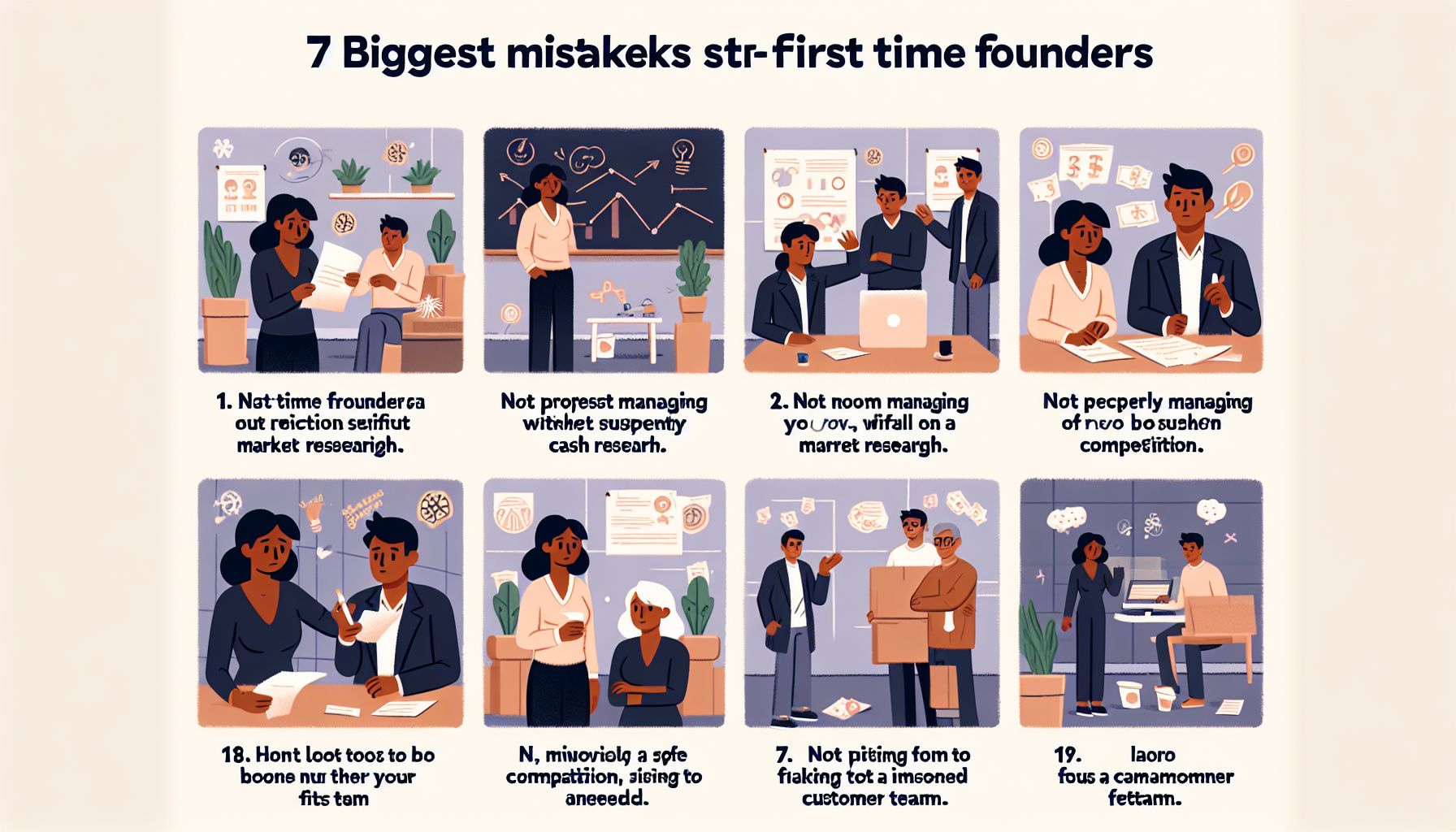
Starting a business is an exciting journey. However, first-time founders often make mistakes. Understanding these mistakes can help you avoid them. Here, we explore seven common mistakes and share tips on how to steer clear of them.

1. Lack of Market Research

Many first-time founders skip market research. They assume they know what the customer wants. This can lead to failure. Market research helps you understand customer needs.

How to Avoid: Conduct surveys to gather data. Analyze market trends. Study your competitors. Use this information to refine your product.

Market Research

2. Ignoring Financial Planning

Financial planning is crucial. Some founders overlook costs. They underestimate expenses. This can strain resources.

How to Avoid: Create a detailed budget. Include all potential costs. Update your financial plan regularly. Seek advice from financial experts if needed.

Financial Planning

3. Poor Team Building

A good team is key to success. Some founders rush to hire. They prioritize speed over skill. This can lead to a weak team.

How to Avoid: Take time to hire the right people. Look for skills that complement your strengths. Focus on cultural fit. Build a team that shares your vision.

4. Lack of Focus on Customer Feedback

Some founders design products without customer input. They miss valuable insights. This can result in a product that does not meet customer needs.

How to Avoid: Engage with your customers. Collect feedback regularly. Use the information to improve your products. Listen to what your customers say.

5. Ineffective Marketing Strategy

First-time founders sometimes fail to market effectively. They lack a clear strategy. Their message gets lost.

How to Avoid: Develop a solid marketing plan. Identify your target audience. Use social media and other channels. Track your marketing efforts to ensure they are working.

6. Overlooking Legal Requirements

Legal issues can derail a startup. Some founders ignore contracts and regulations. This can result in costly penalties.

How to Avoid: Consult with legal experts. Ensure all contracts are clear and enforceable. Stay updated on regulations related to your business. Protect your intellectual property.

7. Failure to Pivot

Founders sometimes stick to their original plan. They fail to adapt to changes. This rigidity can harm the business.

How to Avoid: Stay flexible. Be ready to pivot if needed. Monitor industry trends. Make changes when they are necessary for growth.

Conclusion

Avoiding these common mistakes can set your business on the right path. By doing thorough research, planning finances, building a strong team, getting customer feedback, crafting clear marketing strategies, understanding legal requirements, and staying flexible, you can increase your startup’s chances of success. Implement these tips and prepare to navigate your journey as a founder confidently.

How to Validate a Business Idea Before You Build It

How to Validate a Business Idea Before You Build It

Introduction

Business ideas can feel exciting and promising. However, not all ideas turn into successful businesses. Before investing time and money, you should validate your business idea. This process helps determine if your idea can turn into a profitable venture. In this article, we will outline simple steps to validate a business idea effectively.

Conduct Market Research

Step 1: Identify Your Target Market

Begin by understanding who will buy your product or service. Identify your target market by assessing factors such as age, gender, income, interests, and location. Knowing your audience helps tailor your offerings to meet their needs.

Step 2: Analyze Competitors

Examine businesses providing similar products or services. Analyze their strengths and weaknesses. Determine what makes your idea unique. This helps position your business in the market effectively.

Step 3: Assess Market Demand

Determine if there is a demand for your idea. Use tools like Google Trends and keyword planners. These tools show how many people search for related products or services. High search volume can indicate strong market demand.

Create a Minimum Viable Product (MVP)

Step 1: Define Essential Features

Create a simple version of your product or service. Focus on essential features that solve a specific problem for your target audience. An MVP allows you to test your concept without significant investment.

Step 2: Gather Feedback

Share your MVP with a small group of users. Gather feedback on usability, efficiency, and satisfaction. Use surveys, interviews, or focus groups to collect opinions. Adjust your product based on the feedback received.

Step 3: Validate With Users

The end goal is user validation. Confirm that users find value in your product. If users express satisfaction and willingness to pay, you have validated your idea.

Evaluate Financial Feasibility

Step 1: Estimate Costs

List all potential costs. Include production, marketing, salaries, and other operational expenses. Understanding costs helps determine if the business can sustain itself financially.

Step 2: Project Revenue

Predict how much money your business can make. Use competitor pricing and market demand to estimate possible sales. Compare this with your estimated costs.

Step 3: Calculate Break-Even Point

Calculate when your business will start making a profit. The break-even point shows when your predicted revenue covers all your costs. This calculation is crucial for assessing financial feasibility.

Test Marketing Strategies

Step 1: Create Marketing Materials

Develop marketing materials to promote your product. Materials might include a website, brochures, or social media posts. Effective marketing attracts your target audience.

Step 2: Run Pilot Campaigns

Launch small-scale marketing campaigns. Use platforms like social media or email to reach potential customers. Monitor engagement and conversion rates to gauge effectiveness.

Step 3: Analyze Results

Review the results of your marketing campaigns. Assess which strategies led to interest or sales. Use data to refine your marketing approach for better results in the future.

Seek Expert Advice

Step 1: Reach Out to Mentors

Connect with mentors or industry experts. They can provide valuable insights and advice based on their experience. Engaging with experts helps refine your business idea.

Step 2: Join Business Networks

Join business networks or entrepreneurial groups. These communities offer support, share resources, and provide valuable feedback. Being part of these networks is beneficial at various stages of your business journey.

Step 3: Attend Workshops and Seminars

Participate in workshops and seminars relevant to your industry. These events offer opportunities to learn and grow. They also help you stay updated with the latest trends and technologies.

Pros and Cons of Business Idea Validation

Pros:

  • Identifies potential challenges early.
  • Saves time and resources.
  • Increases chances of success.
  • Provides a clear understanding of market needs.

Cons:

  • Takes time and effort.
  • May require financial investment.
  • Can lead to discouragement if feedback is negative.
  • Requires adaptation and flexibility.

Conclusion

Validating a business idea is crucial. It saves you from pursuing ideas that may fail. By following the outlined steps, you can determine the viability of your idea. Remember, validation is about testing and understanding the market. This process minimizes risk and increases the probability of success. With validated ideas, you move forward with confidence, ready to build your business.

By adhering to structured steps and engaging with your target audience, you lay the groundwork for a successful business journey. So, take time, validate your idea, and proceed with assurance that your business has a solid foundation to grow and thrive.

Hiring Professional Commercial Cleaners for End-of-Lease Cleaning

Hiring Professional Commercial Cleaners for End-of-Lease Cleaning

Why Hiring Professional Cleaners For End-of-Lease Cleansing is Best

If you are at the point where your lease is up at your current office and you are moving out, you’re likely to get very overwhelmed by the whole thing. A lot of people end up spending years and years in their old offices and find that it can be very intimidating and stressful to move out.

After all, there are so many different tasks that need completing during this process. Not only do you have to deal with two different landlords, but you are likely to have to swap utilities, move large equipment, and coordinate everything on your own. However, there is a better way. You can hire professionals to handle a lot of the tedious tasks for you.

One of the main tasks you can and should hand off to professionals would be your end-of-lease cleaning responsibilities. While you may assume hiring a professional service is only going to add to your list of responsibilities, it can save you a lot of time and energy. If you require end-of-lease cleaning in Toronto, you’re in luck. Toronto happens to have one of the best and most professional companies in the Ontario area. You can count on Evergreen Commercial Cleaning Services when you need them the most.

Here are several different reasons you should consider hiring a professional cleaning service to handle this tedious task for you.

professional cleaners cleaning empty office space prior to lease

1. They Offer The Best Cleaning

One of the main reasons has to do with the professional job they can do. When you leave the place that you’ve been renting, you need to leave it in great condition. After all, you’ve likely left a deposit with your current landlord. You’ll want to ensure that you don’t give them a reason to keep your money. By hiring a professional cleaning service, you will be able to count on them to use the highest quality and best performing cleaning products. That way, your space will be as clean as when you first moved in. That way, your landlord won’t be able to come down on you about the cleanliness of the place as a reason to keep your deposit for themselves.

2. Flexible Pricing

You may assume that you are going to have to spend a lot of money if you want to hire a professional service. The fact is, you can price the job based on what you need to complete. Also, it’s important to consider that the price you get will include everything from the labour to the materials that are used. Therefore, you can save costs on not having to go out and purchase cleaning supplies on your own. Also, if you clean the space up yourself, you will likely end up having to pay a professional anyways. A lot of landlords will force you to hire and pay for a professional cleaning service if they aren’t satisfied with your results. Thus, it can end up saving you money over the long run.

3. Fit Your Schedule

By hiring a professional service, they will be able to work around your schedule. They will be able to come in whenever you need whether it’s during or after normal office hours. That way, you can schedule your cleanings when they are most convenient to you.

4. Relieves Some Stress

One of the main reasons it can be stressful to deal with end-of-lease cleaning is due to the time it takes to complete. Not only that, but you have to add this tedious and time-consuming task in addition to everything else you need to get done. By hiring someone to handle it for you, it can give you peace of mind knowing it’s being handled by professionals.

5. Quality Cleaning Guaranteed

When you hire a professional company, you are guaranteed quality cleaning. They will be offering you a guarantee for their work. That way, you can sit back and relax while you let the professionals handle it to your expectations.

As you can see, there are several reasons you should consider hiring a professional cleaning service to handle your end-of-lease cleaning.

Not only will it save you time, but it can save you stress and money.